Books
I read SO MUCH this year. It is almost unbelievable compared to past years, but I am proud of my growth. Because I’ve read so much in 2025, there is a lot to talk about, and I won’t be able to talk about every single book, but these are the highlights of my literary life.

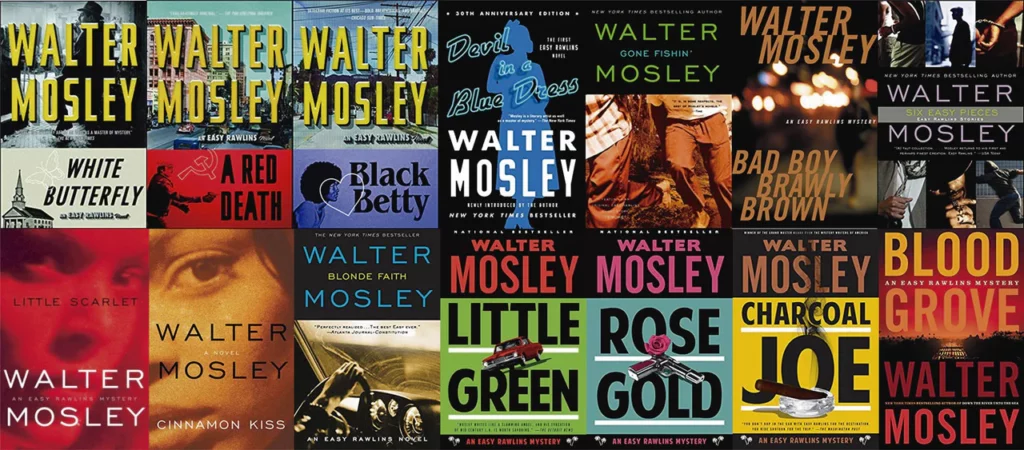

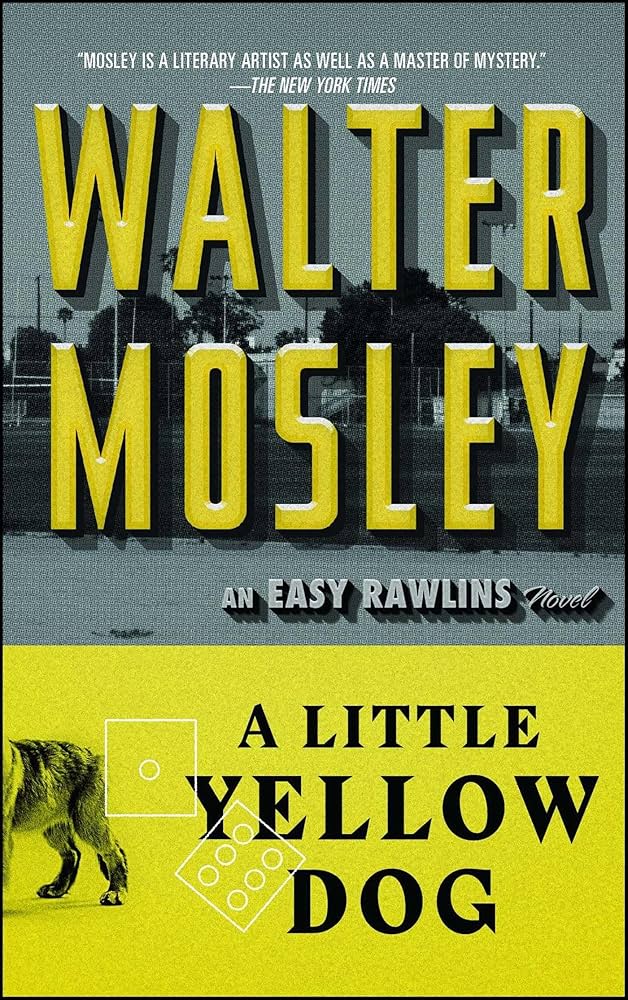
Easy Rawlins Series – Walter Mosley
Instead of merely saying an individual book was impactful for me this year, I’m obligated to say that this series has been life-changing, gripping, and reflective. In 2023, I previously blogged about Devil in a Blue Dress, Easy’s first mystery, and how I had started reading the series. This year, I reread the first few books and collected all the others.
Walter Mosley has an incredible talent in shaping a narrative, as the reader is right there with Easy making inferences and trying to connect a loose string of clues. Easy starts out “trading favors” but eventually becomes a licensed private detective, then further develops to own his own detective agency. The noir violence and femme fatales of the mystery genre make for great reading, but the human heart at the center of each story is what makes me come back for more and more. From the first to latest books, one can easily see how caring and nurturing Easy is underneath his masculine pride and vices. His original garden, and now rosebushes, highlight this tenderness. A stronger cultivation of life is the family that blossoms around Easy across the books: Jesus, Feather, and Bonnie. What strikes me the most about this series is that it is not a traditional trilogy or saga in the common sense. There is no overarching plot or one big bad guy to defeat. Each novel can be read as it’s own standalone mystery, but a beautiful, and nuanced depth is seen when they are read together.
Standouts for me are still White Butterfly (#3) and A Little Yellow Dog (#5) In White Butterfly, Easy is married to Regina, a character the reader may feel disconnected to because she didn’t appear before. Easy’s pride, vices, and lack of honesty make it painfully obvious their marriage won’t last, and it doesn’t. When you get to book five, Easy meets Bonnie, another woman on a case as he usually does, but something is different. He’s honest; he’s vulnerable, and what he does as detective work isn’t something to hide, but something to show her. He lets her into his life. Their relationship is beautiful, painful, and flawed, but I’d say its the most “overarching plot” the series possesses. My favorite quote is when Easy dares to start a real connection with a woman instead of use or hide from them, highlighting the fear of the unknown when being vulnerable: “When I hung up I felt as if I was an astronaut who had completed his orbit of the earth and now I was pulled by some new gravity into a cold clean darkness.“
Other standouts include Little Scarlet (#9), Blonde Faith (#11), & Farewell Amethystine (#16)

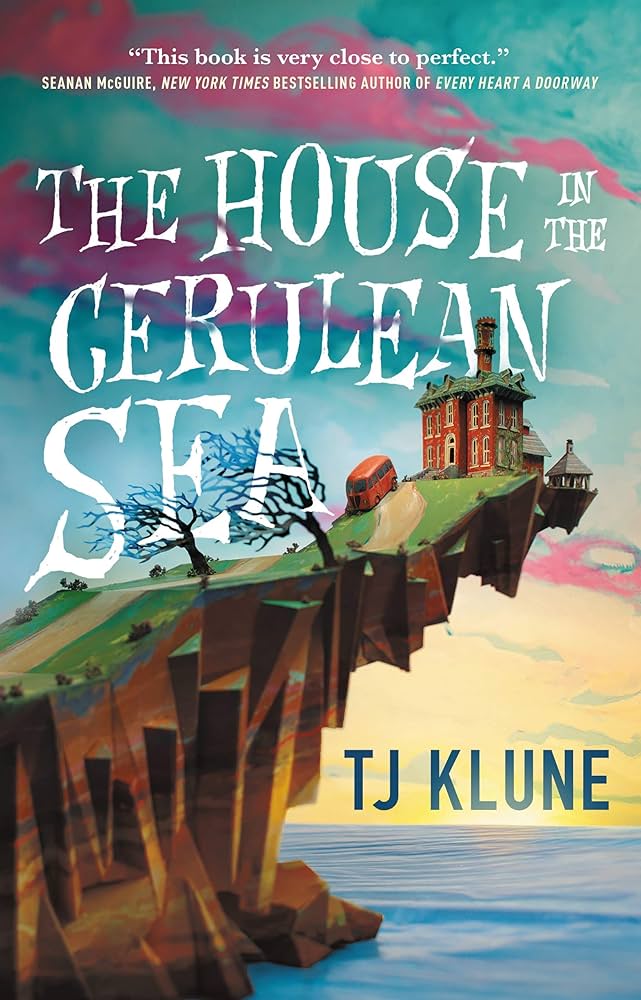
The House in the Cerulean Sea – TJ Klune
Most of the books I read are a bit “doom and gloom.” Reflective, Dark, and Mysterious are my three most read moods for the year according to Storygraph. What I loved about this novel was that it was uplifting and inspiring.
The story follows Linus, who works in a practically dystopian office work environment where he is monitored and belittled. The sad truth is that work in the real world isn’t far off from this for lots of people. Magic loosely exists in the novel’s world, and there are “orphanages” for children with magical abilities. Linus expects to meet the literal Antichrist demon child and other “monsters” when assigned to make a report on a mysterious orphanage off the coast.
Klune’s novel triumphs and celebrates difference. Linus meets a memorable and fun cast of characters, children, who may appear different on the outside, but have vibrant personalities, aspiring dreams, and truly human hearts. On its own, I think this is enough to appeal to readers and SHOULD be read so that there is less hatred in the world, especially in regards to children. I particularly liked the book because I’m a high school teacher; interacting with all sorts of kids is a huge essence of my life. I think I do a great job, but I often wonder: “Am I doing enough? Am I teaching this or that right? Are these kids going to be okay?” Linus is a champion for the kids he is assigned to, and he fights for what is best for them. It is a truly extraordinary book.

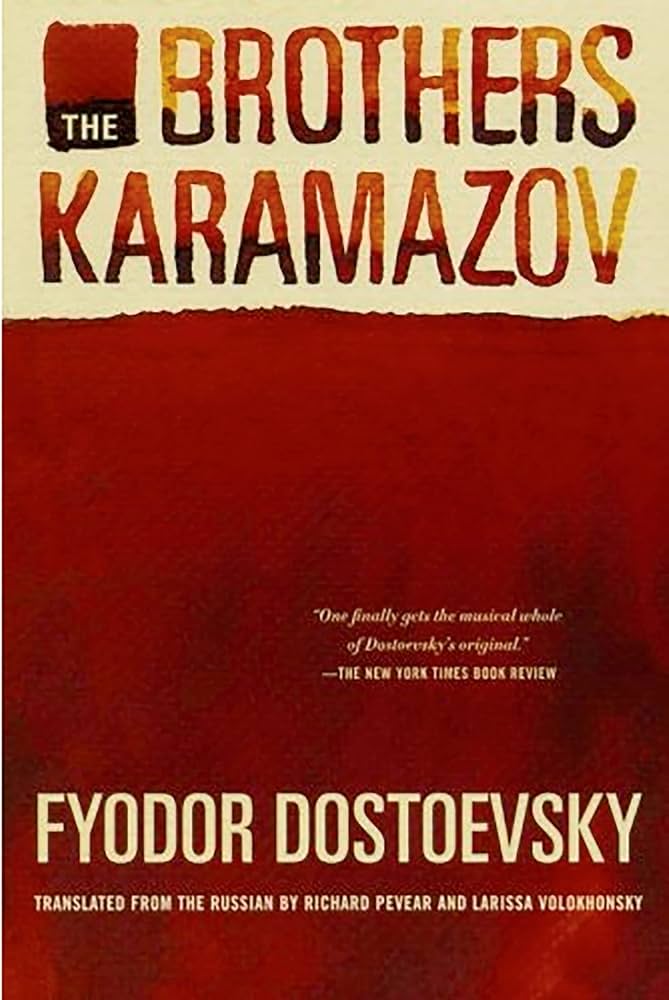
The Brothers Karamazov – Fyodor Dostoevsky
I was quite daunted by reading this book back in August. Its hundreds of pages long, and there are very few paragraph breaks on most pages. The characters have an unparalleled passion and will frequently speak in quotations for pages at a time. My brother got this for my birthday after I read Anna Karenina last year and got into Russian literature. The Karamazov family is an unhappy one, headed by a despicable father. Dmitri, one of the titular brothers and sons, has economic and personal beef with his father, as they lust after the same woman. He’s accused of killing his father in one of the best courtroom scenes I’ve ever experienced in media.
What makes this an impactful book of the year, and not a trophy read as a classic, is it’s ending. The book’s dramatic plot is satisfying in itself, but as a reader I was wondering how some subplots or loose threads would be tied up. The gargantuan novel somehow manages to conclude on an elegant and moving note when Alyosha, the best of the brothers, speaks about grief and humanity to a group of children:
“And even though we may be involved with the most important affairs, achieve distinction or fall into some great misfortune–all the same, let us never forget how good we once felt here, all together, united by such good and kind feelings as made us, too, for the time we loved that poor boy, perhaps better than we actually are.” (pg 821)
The use of first person plural; “We” and “Us,” include the reader in this emotional and reflective conversation. It grounds the reader in this moment with reflection on the past and hope for the future in a world that is not easy. The ending, too, plainly spells out what the reader thinks from the beginning, “Yeah, this father is an asshole,” but writes it in a way that feels almost enlightening.

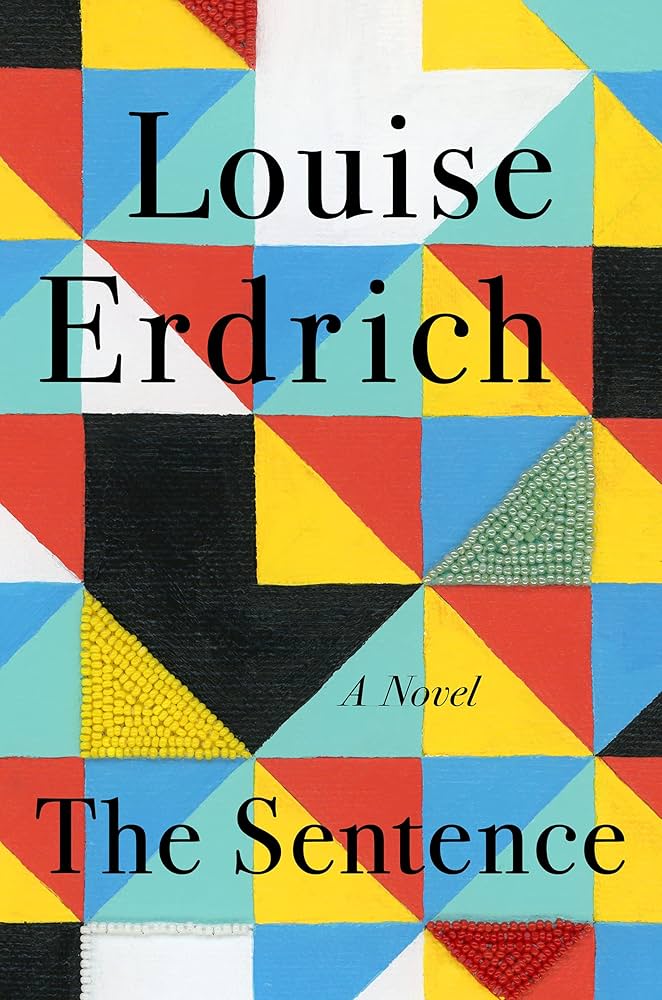
The Sentence – Louise Erdrich
This novel is a reader’s dream. The main character, Tookie, works in a bookstore, and as a result there are countless allusions to other books or authors. Standouts for me were when they mentioned our queen, Octavia Butler, as well as Braiding Sweetgrass. The back of the book has a massive list of recommendations as well, which I think is cool to include.
I suppose you could say there is some magical realism to the novel, as a ghost is haunting the bookstore and Tookie. This ghost is of a white woman, while Tookie and every other main character is indigenous. The ghost allegorically functions as the haunting whiteness and history of America in a way. Themes of identity are important and hard-hitting for me, and I feel like Erdrich eloquently set the stage for those themes in our contemporary landscape.
The story primarily takes place in 2019 and 2020, including the COVID-19 pandemic and the police brutality protests following the death of George Floyd. As these events are still recent in our memory, burned into our cultural consciousness and lives, I find it phenomenal that Erdrich was able to incorporate this real backdrop to Tookie’s personal journey of hurt and healing.
Topping it off all with a bow is Pollux, Tookie’s husband. Their relationship is grounded, funny, and romantic all at once. It’s one of the best relationships I’ve ever seen in a novel, and I think it’s what most people deeply want or aspire to have. She sleeps in a cold car in the parking lot while he’s in the hospital with COVID, and I think that says enough.


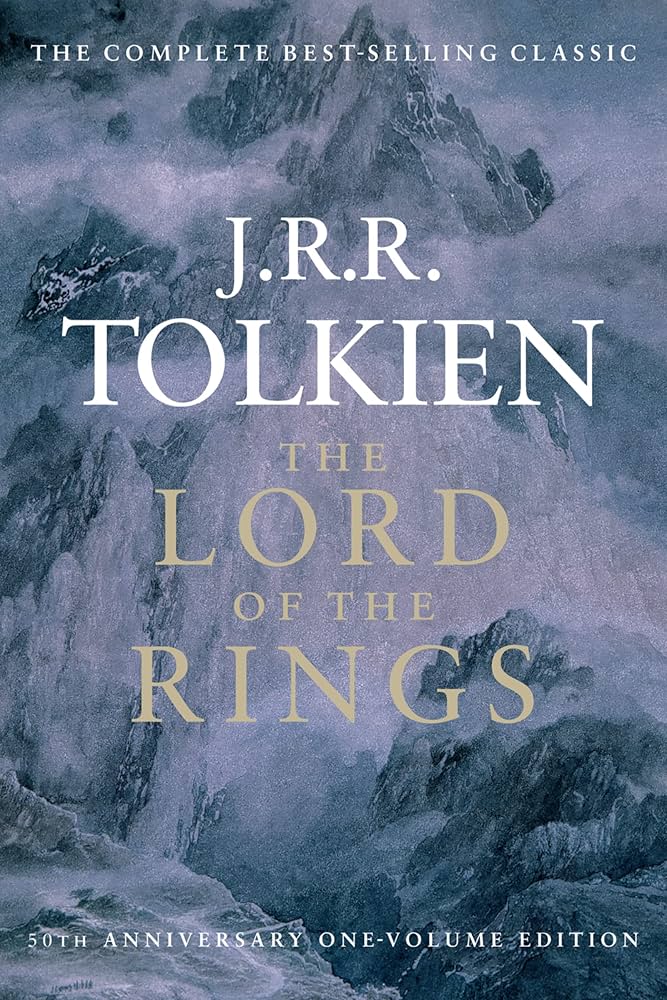
The Lord of the Rings (Series) – J.R.R. Tolkien
I’ve been a LOTR fan for pretty much all of my life. I’ve seen the movies countless times and have been invested in the world through other media, such as the game Shadow of Mordor, or LOTR Legos. In middle school, I read The Hobbit, but I’ve surprisingly never read the books until this year.
THEY ARE SO GOOD.
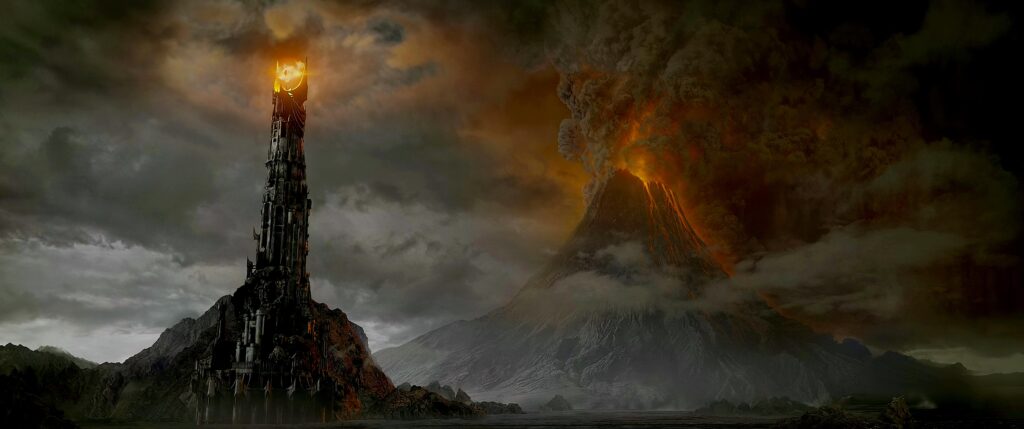
Sauron’s metaphorical eye, Shadows, and darkness are incredibly well described in the novels. One of my favorite scenes comes from Sam as they approach Mordor:
“There, peeping among the cloud-wrack above a dark tor high up in the mountains, Sam saw a white star twinkle for a while. The beauty of it smote his heart, as he looked up out of the forsaken land, and hope returned to him. For like a shaft, clear and cold, the thought pierced him that in the end the Shadow was only a small and passing thing: there was light and high beauty for ever beyond its reach.”
What strikes me about Frodo is that he doesn’t necessarily have a happy ending. Tolkien’s thematic messages about war and PTSD show that even if the good guys win and defeat evil, the memory of that darkness stays with you. Frodo says, “There is no real going back. Though I may come to the Shire, it will not be the same; for I shall not be the same.” To me this demonstrates how our experiences change us and the utopia that “the past” or The Shire may represent is unattainable after trauma.
What I adored in the books is the plot-line for the hobbits Merry and Pippin. The Shire’s occupation is not in the movies at all, but it is THE most important scene for their characters and the overall message of the Hobbits. They were small and inconsequential, but upon their return, they can fight their own battles and take care of themselves based on everything they learned.

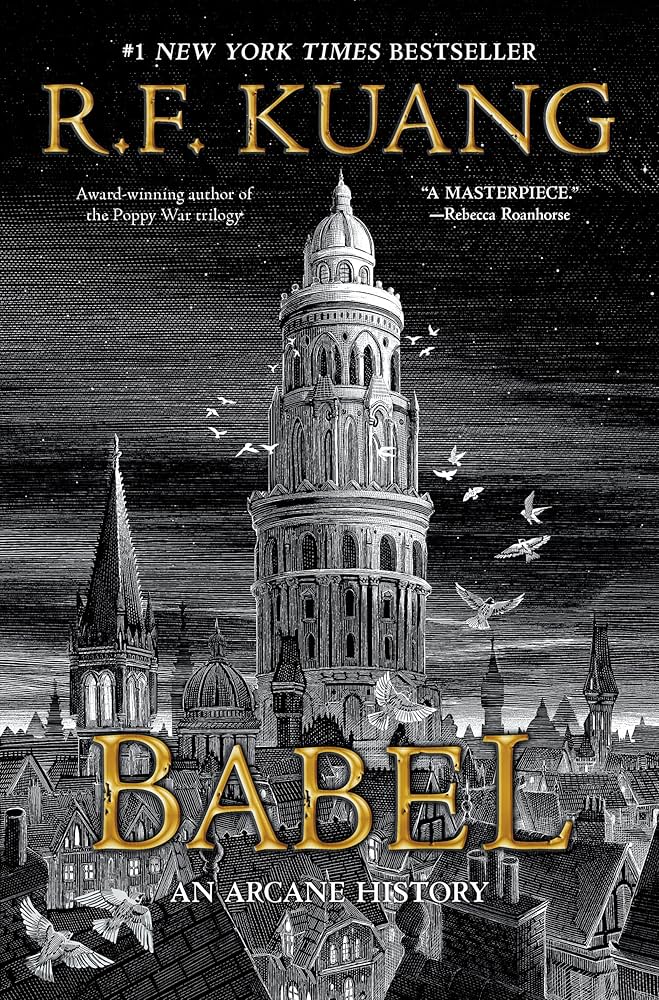
Babel – R.F. Kuang
Babel blends genres in an interesting way. It is part historical fiction, dealing with themes of European colonialism across Asia, but it is also part fantasy, as language itself operates as a source of magic. The concept in itself is a great hook, but it lands so successfully because of Kuang’s likable characters and academic fervor.
Most of the story takes place at Oxford, where the characters study languages and put words onto silver, propelling magic and the machine of capitalism. The middle of the book is a bit slow in regards to its plot, but the novel is quite relatable to anyone who has ever been to college. The process of studying and exams and hanging with friends around campus is REAL in this book, and it made me a bit nostalgic for the college years. I was an English major, and at one point, I had no real adult worries – all I had to do was read and write.
The third act picks up SO FAST as the novel races toward a dramatic finish. Overall, it was incredibly thought-provoking on the history of colonialism, capitalism, and language. Bi or multi-lingual skills are truly amazing, and language is magical. I know language is magical through only speaking English, and this book made me wish I could speak more than one language.

Katabasis – R.F. Kuang
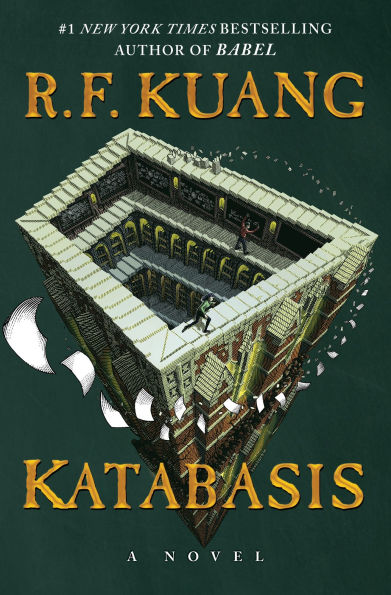
I am quite obsessed with Hell. Dante’s Inferno is one of my all-time favorite literary works, and it has become more significant to my life through teaching parts of it and including it’s themes in my writing. This year I also fully fell in love with Hadestown, and thus, the Orpheus and Eurydice story from Virgil to Ovid. The Underworld is a staple in my life, so R.F. Kuang’s novel was a joy to start. It is her literary take on the underworld, told through an academia lens. Like Babel, university life and studies are the foundation for the entire work and the character relationships. It makes me quite scared to pursue another Master’s or aspire for a PhD.
Katabasis is enjoyable for it’s humorous spin on Hell-a university library for Pride, it’s occasional alignment with Inferno, such as the bog of Wrath, and uniquely serious additions such as bone-wearing magicians hunting down blood. While heavily based in logical Paradoxes, the novel feels a bit more accessible than Babel’s linguistics, and its narrative pace is faster.
The unexpected kicker for me was the inclusion of Peter having Crohn’s Disease. As I have Ulcerative Colitis and have been trying to publish IBD writing for a year, it is impressing and inspiring to see an IBD character in such a mainstream novel. I have NEVER seen representation before in any literary work, so even if this book didn’t have all of the Inferno inspiration, the entirety of chapter 22 would’ve been enough to make it worth all of my praise. I couldn’t pronounce Mercaptopurine when I was diagnosed at 17. It’s nice to see a character have taken it too.

Throne of Glass (Tandem Read) – Sarah J. Maas
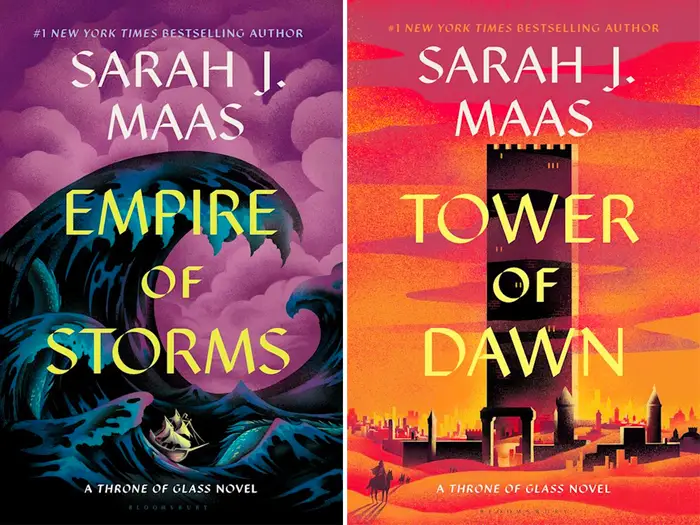
How does a 700 page book sound? Now make that double. Both of these books are humongous, and they are a part of the same Throne of Glass series. You could read them in chronological order, but they actually take place simultaneously, so you can read them congruently or “in tandem.” This has interesting implications for the reader’s sense of dramatic irony, and it is a unique experience. I’ve never done anything like this as a reader before, so I have to mention it.
Empire of Storms follows Aelin & Manon on the run in the northern continent as darkness squeezes in, while Tower of Dawn follows Chaol and Nesyrn in the southern continent looking for allies in the war above. The reader can alternate chapters between books, and sometimes go a hundred pages or more in one before swapping back to the other one. Because each novel takes place in a different part of the same fantasy world, reading both congruently makes you feel highly immersed in the overall lore and world-building.
Overall, EoS is “faster” while ToD is “slower,” but I quite enjoyed ToD’s psychological explorations. Chaol is physically paralyzed and emotionally closed off–Yrene, a healer, helps him through this and they slowly fall in love. It was an uplifting story with themes of self-acceptance and letting go. A MASSIVE lore implication happens in ToD though that characters in EoS don’t know about, so when you as the reader read the final act of it, you are twice as stressed as you would be. Empire kind of reminded me of “The Empire Strikes Back” from Star Wars, as the bad guys win and the overall tone of the book is one of hopeless defeat.

Confessions – Kanae Minato
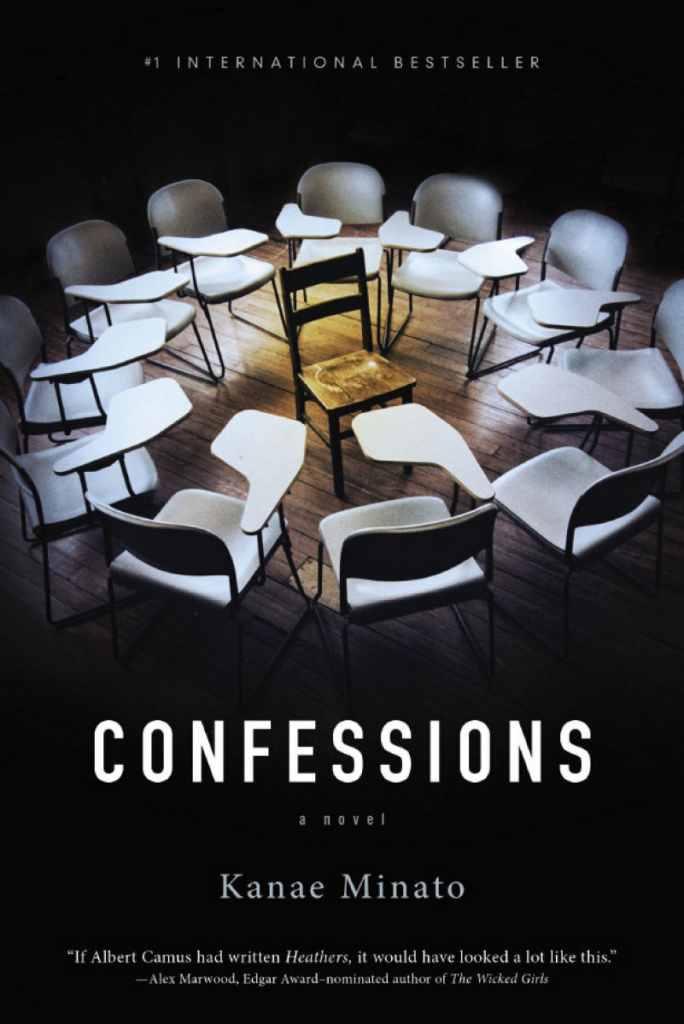
If The House in the Cerulean Sea was an uplifting book about children and teachers/mentors, Confessions is the opposite. It’s unnerving and chilling. Reading it is almost a bit like a taste of psychological torture, but it vaguely appeals to me enough, or is unforgettable enough, to routinely surface back in my conversations.
The story starts off with a teacher monologuing, revealing that she knows two of her students killed her young daughter. At first, it doesn’t seem like she has sought revenge, but it’s revealed she has done something to terrorize them forever. What emerges is a highly ethical debate. They killed her daughter: it isn’t right, but they’re kids. At what point are children responsible for their actions? What should consequences for juveniles be? What is justice? Is revenge worse than the original crime? The reader simultaneously understands and is horrified by the teacher’s actions – then the narrative shifts to the children, where we see their motives and consequences. Everything spirals into an unforgettable drama.
Multi-POV stories appeal to me, and seeing the entire set of characters go through these ethical tragedies makes for a unique conundrum.

Short Stories:
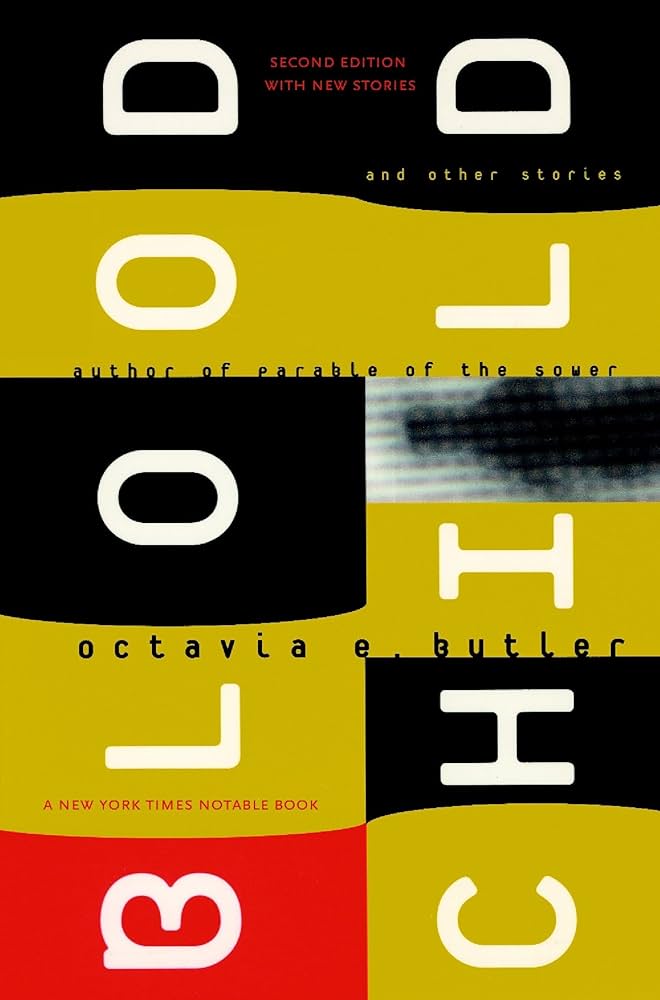
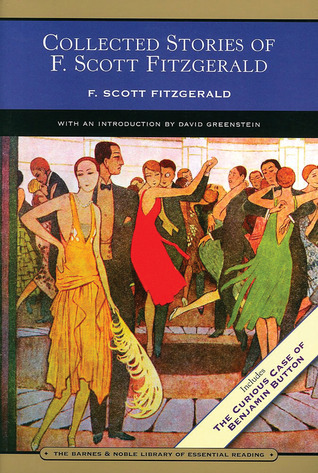
I also read quite a few short story collections this year, notable ones being Bloodchild & Other Stories by Octavia Butler, Terminal Boredom by Izumi Suzuki, & F. Scott Fitzgerald’s complete works which including Flappers & Philosophers and Tales from the Jazz Age. “Bloodchild” itself is a top five short story in my opinion, and it has unsettled my blood since I first read it in college. The symbiotic, but also parasitic relationship shown in the story is outright uncomfortable, but also nuanced to the point where there is a bit of “love,” as weird as it is. For sci-fi, it’s one of the best and a really hard-hitting coming of age story that allows for reflection, specifically for male readers. The second story in Butler’s collection, “The Evening and The Morning and The Night” was remarkable to me as it involved an illness and hospitals, which always poke at my mind.
Suzuki is one of my favorite writers. Her other collection, Hit Parade of Tears is better overall, but “Terminal Boredom,” the titular story of this collection, is a standout. It highlights a dystopian society where everyone is unemployed and everyone is constantly on their screens. (Sounds kind of familiar?) Violence, such as a public murder, are recorded, and those who view it are numb to it where they point they will recreate their own violence for stimulation. It’s quite disturbing and has Suzuki’s normal bleak style. The first story, “Women and Women,” is another dystopia/utopia where men are rare due to pollution and climate change, so women are together; men are kind of like a cattle to be conserved or looked at. The narrator meets a man on “the outside,” posing a rhetorical question on the dangers and potential necessity of men in a society.
The Great Gatsby is one of my favorite books, but Fitzgerald made most of his money by being a short story writer. His short stories are actually quite good. “The Ice Palace” stands out, as an American cultural commentary on North vs South with a memorable scene of the southern belle being trapped in the cold, unforgiving walls of the north. “Bernice Bobs Her Hair” is an amusing social drama featuring the classic 1920s hairstyle, “O Russet Witch!” stands out as memorable story, almost like Fitzgerald’s version of the manic-pixie-dream girl that haunts the protagonist’s life, and “The Curious Case of Benjamin Button” is phenomenal. The man ages backwards, so I guess it’s magical realism? It’s creative and feels like its way of its time.
Songs
According to Spotify wrapped, I listened to 38,000+ minutes of music in 2025. Here are some of my favorite songs that I listened to this year:

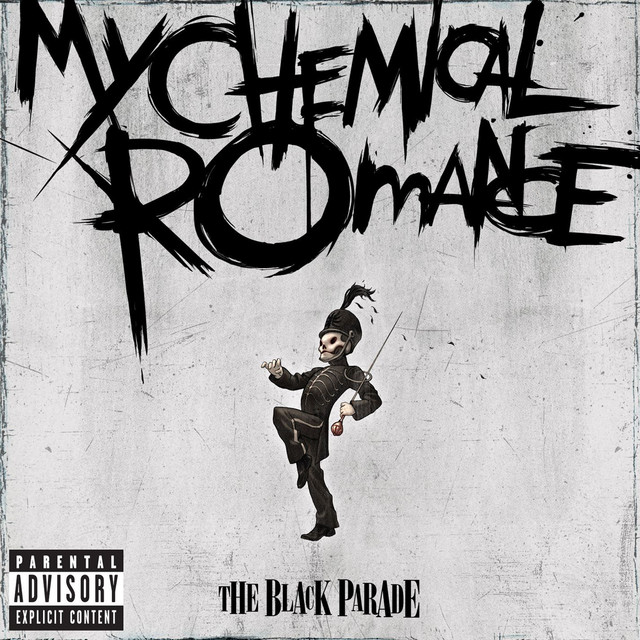
Famous Last Words – My Chemical Romance
I got a bit into My Chemical Romance a good ten years or so after everyone else did. This is by far my favorite song. Its use of repetition creates an almost trance-like chanting of the chorus, over and over again: “I’m not afraid to keep on living.” In the last year, I’ve written a lot on the subject of suicide and how the thought of it can impact characters. This song’s repetitive conviction for life, alongside the driving instrumentation, is exhilarating. It’s a great song to blast in the car. The self reflection present in the line, “With words I thought I’d never speak” add a layer of depth to the speaker, as well as the listener’s experience.

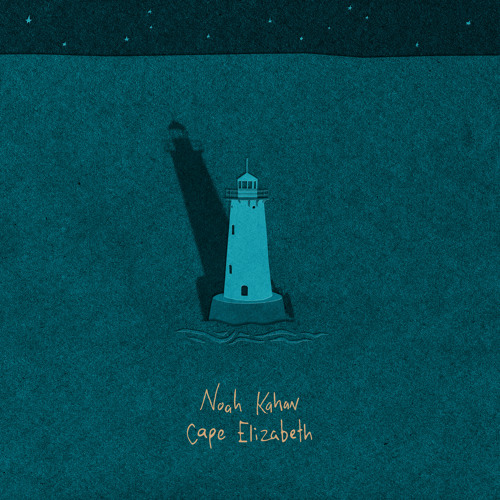
Close Behind – Noah Kahan
Also this year, I got into Noah Kahan after a few years of people telling me I should’ve been listening. So much of his music is amazing, (“Come Down” and “Save Me” were contenders for this) but I think this song is extremely special. It hits something meaningful for me and the types of characters that I like to write. “It’s something sinister to love without regard for dear tomorrow” is a legendary line that highlights, in my opinion, how a relationship can be ominous, almost to the point of being “evil,” if something like suicide is a possibility. “Dear tomorrow” isn’t guaranteed if “I could die tomorrow.” The song sounds like it’s about an unstable pair of lovers. The speaker may “crumble” at the feet of their lover. That verb is quite intense for the acoustic, mellow vibe of the song. Alliteration also asks the listener to question if their “fears are facts of life.” I overthink, and I imagine lots of people overthink, too, when love is on the line. All of these worries and levels of sadness are explored here.
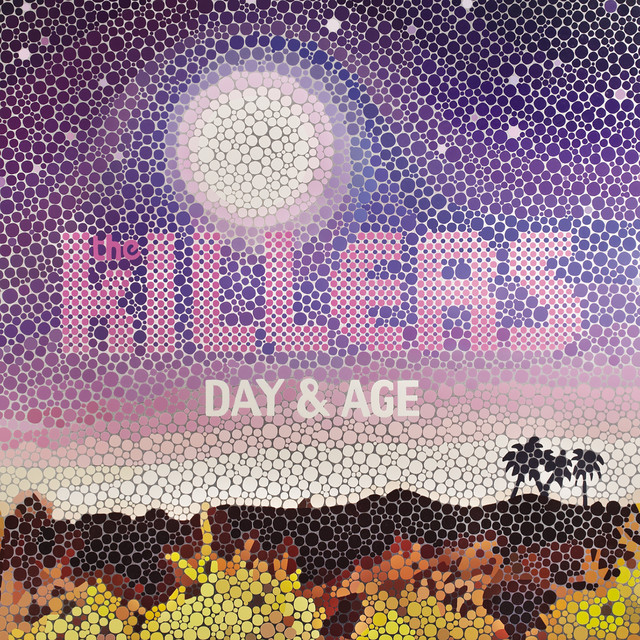
A Dustland Fairytale – The Killers
I’ve always been a big fan of The Killers. The Hot Fuss album is a staple decoration of my bedroom. Early this year, I became absolutely captivated by this particular song. Not just in its title, but in its overall composition and lyrical effect, it truly feels like a fairytale. There is a narrative element to it with the “slick chrome American Prince,” and “Cinderella in a party dress.” There is fantastical imagery of “Castles in the sky sit stranded, vandalized” along with the rhetorical question, “Is there still magic in the midnight sun?” I honestly would have a hard time telling you what this song is literally about, but the emotional listening response is extremely profound. There is the threat of the “Devil” and the “showdown,” along with dramatic statements like “Out here the good girls die” and “Out here the bell don’t ring.” It’s hard to pinpoint what makes this a masterpiece, but I believe there is a lot of interpretive depth to it that has made it my most listened to Killer’s song this year. There is also a great version called “Dustland” that is a duet with Bruce Springsteen.
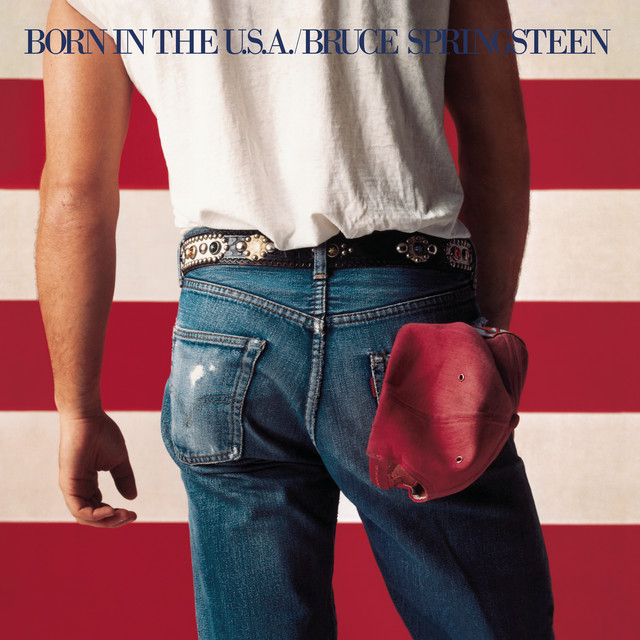
Dancing in the Dark – Bruce Springsteen
One of my characters is into “Dad Rock.” When I write characters, I try to put myself into their shoes, and that means I often end up listening to their music as well. In 2025, I became a huge fan of Bruce Springsteen because of this. The listless tone of the opening lines, “I ain’t nothing but tired” paired with the mundane actions of daily life, “I get up in the evening / I go home in the morning” show a relatable dissatisfaction. The fire has gone out. Contrasting the lyrical tone is an upbeat song that genuinely makes the listener want to dance. The song asserts that “You can’t start a fire / sitting around crying over a broken heart,” and I love that pump of positivity. Loneliness and sadness are universal human experiences, but Springsteen invites the listener, and potentially their partner, to shrug that off and dance “in the dark.” I think its immensely poetic, and fun. One of my favorite short stories, “landscape with flatiron” by Haruki Murakami, is about bonfires, life, and death, and I feel like this song connects to it well.
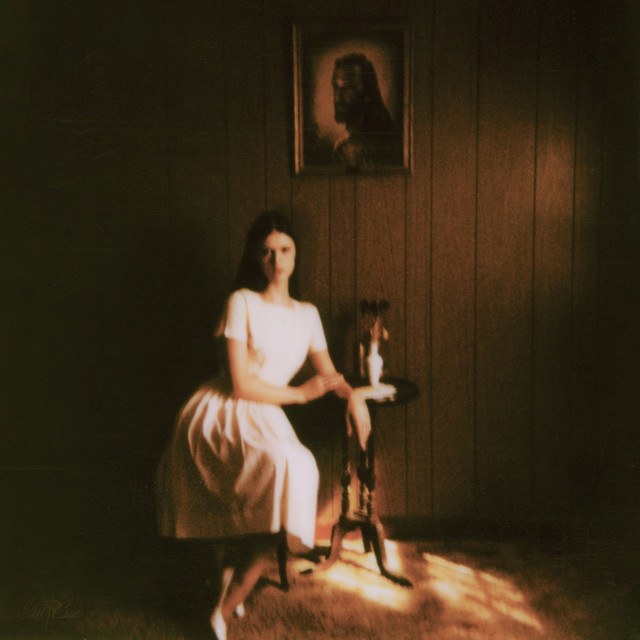
American Teenager – Ethel Cain
I love this song’s mix of melancholy and drive. It’s not up tempo, but it has a bit of speed to it despite its sad instrumentation and dreamy vocals. Ethel Cain crescendos up into the chorus, with my favorite line, “I do what I want.” This stubborn conviction is beautiful yet tinged with melancholy, as there is a layer of regret to it, followed by “crying,” and a justification of one’s actions with “And I said it was fun.” The speaker continues to show negative emotions with lines like “It’s just not my year” and “I’m sorry if I seemed off.” The song has a religious connotation by bringing in Jesus, yet feeling “Alone.” The melancholy assertions of doing what one wants despite everything is admirable and persuasive.

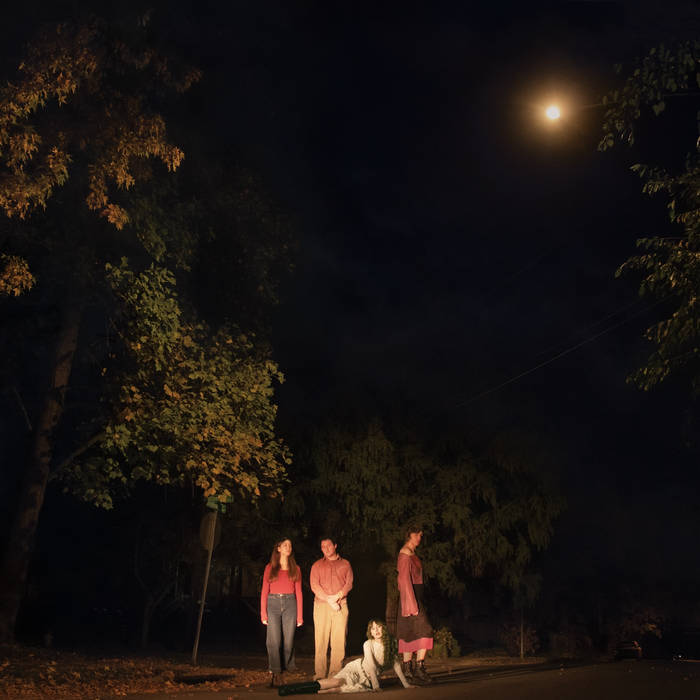
Cicada – The Ophelias
This came out in 2025, and I can say with conviction that it’s my favorite song to come out this year. The Ophelias topped my Spotify last year, too, with “Black Ribbon.” Cicada is equally, if not more, enchanting with its languid instrumentation and reflective vocals. Musing on an intimate relationship, the speaker gives their lover an almost vampiric quality: “Look at your reflection / I see nothing;” I’m reminded of Dracula and understand how one may be drained from a past love. There is an emphasis on the past, as the lyrics cleverly state that the lover isn’t there in the “present tense.” The song is a continuous crescendo and build up of momentum. During this rising action, I love the lyric “I recognize your picture even years later,” which demonstrates the longevity of the impact of this relationship. It climaxes in the line about “ten-thousand cicadas” which is FANTASTIC, haunting imagery. This leaves almost a minute of just echoes and instrumentation to allow reflection on the haunting of this lover.

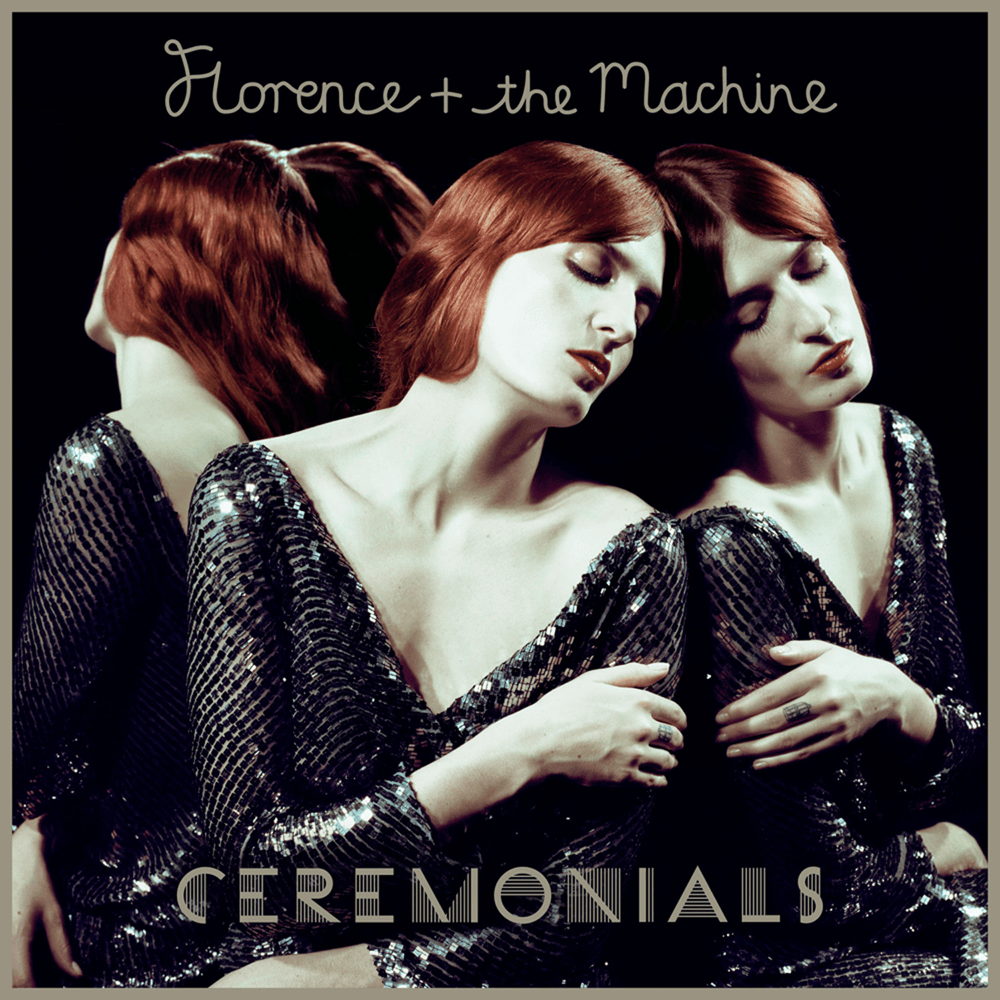
All This And Heaven Too – Florence + The Machine
“I’ve been scrawling it forever, but it never makes sense to me” is a powerful lyric, and I believe it’s even more powerful for me as a writer. I live and breathe writing as an English teacher by day and writer by night. The verb of “scrawling” is a great detail. A lot of times, great ideas are not written down in a clean or elegant manner. The artistic process is sloppy. Life isn’t perfect. Florence continues this idea with “All of my stumbling phrases.” The music itself is catchy and phenomenal. Like most of her other music, an ethereal, powerful voice propels the sound forward. It’s a bit like heaven to listen to it.
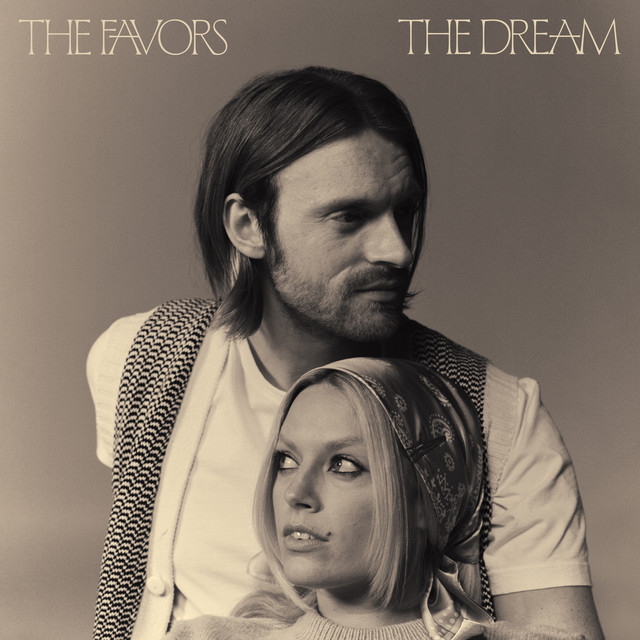
The Hudson – The Favors (FINNEAS, Ashe)
This is my favorite love song of the year.
I love the self-sacrifice in “You took my coat to sit on the balcony; I’d catch a cold if it keeps you warm.” Its a simple, universal image, but it is effective at demonstrating the care for another that love can bring out. The care for their well being can exceed the care you have for your own. It is a beautiful image: “The lake was frozen, and so were we.” There is a motif of Winter, snow, and December along the Hudson, a conflict in the love, but the chorus between both male and female speakers pleads for the love to last. “I don’t know what I believe; Please have faith in me; The only truth I know is you.” I like how the tangible lover has superseded religion with the emphasis of “Faith.” The music itself is dreamy and invokes an embrace in the snow.